The way people travel is changing. Visitors are no longer looking only for a hotel, restaurant or individual attraction. Increasingly, they want complete experiences that combine accommodation, nature, recreation, wellness, dining, entertainment and opportunities to connect with the destination.
This shift is creating new opportunities for destination development in New Brunswick.
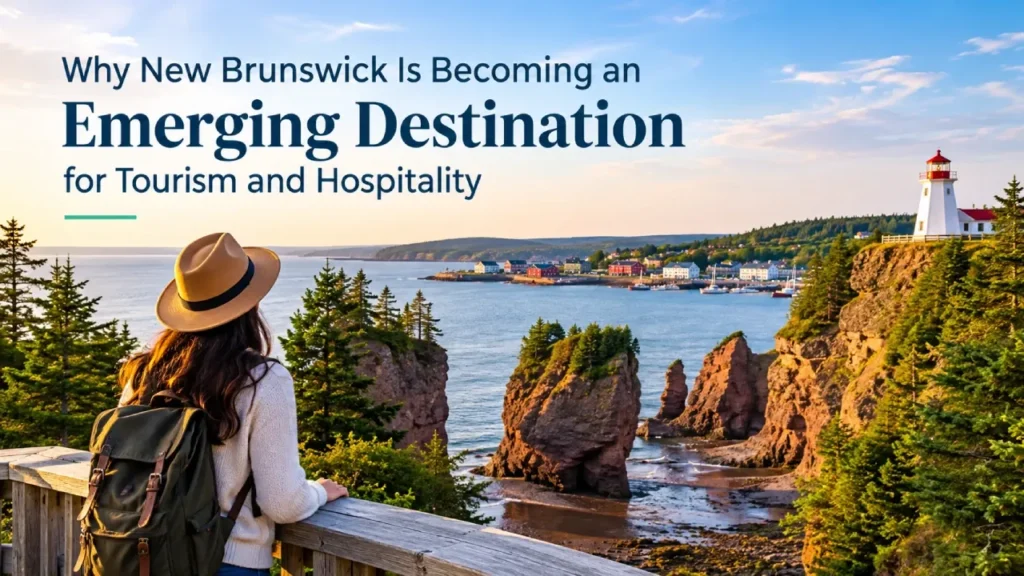
With its coastline, forests, outdoor attractions, cultural experiences and growing tourism infrastructure, New Brunswick has the ingredients needed to develop destinations designed around modern traveler expectations.
The province is also taking a more strategic approach to tourism growth. Its Fresh Perspective: New Brunswick Tourism Strategy 2026–2031 aims to increase annual tourism revenue by $1 billion by 2031 while strengthening year-round opportunities and encouraging tourism growth that benefits communities across the province.
What Is Destination Development?
Destination development is broader than building a hotel or tourist attraction.
It involves creating an environment where multiple tourism elements work together to provide a complete visitor experience.
A destination might combine:
- Hotels and unique accommodations
- Restaurants and cafés
- Retail
- Recreation
- Wellness facilities
- Outdoor activities
- Entertainment
- Events
- Green spaces
- Cultural experiences
- Transportation and supporting infrastructure
The objective is to give visitors more reasons to arrive, stay longer and return.
This approach is particularly relevant as travelers increasingly value experiences rather than simply accommodation.
Why New Brunswick Has Strong Potential
New Brunswick has a diverse tourism landscape that can support several types of destination experiences.
The province offers coastal environments, forests, waterways, provincial parks, outdoor recreation and cultural attractions. Its tourism strategy identifies outdoor adventure, wellness and cultural experiences among the areas where New Brunswick has strong visitor appeal.
The province is also looking to expand tourism beyond its traditional peak periods.
The current tourism strategy specifically calls for stronger fall, winter and spring opportunities, helping destinations generate economic activity across more of the calendar.
This creates an important opportunity for destination developers.
Instead of creating a project that operates primarily during summer, future developments can be designed around experiences that attract visitors throughout the year.
The Rise of Experience-Based Tourism
Travelers increasingly want to do something, not simply see something.
An experience-based destination could allow visitors to stay in a distinctive accommodation, explore nearby nature, participate in recreational activities, enjoy wellness services and experience local food and culture—all within one trip.
This is particularly valuable for destinations located near natural attractions.
For example, a visitor could spend the morning hiking, enjoy an afternoon wellness experience, have dinner at a local restaurant and finish the evening at a comfortable nature-inspired accommodation.
Each activity adds value to the overall trip.
New Brunswick’s tourism strategy recognizes the importance of developing market-ready experiences and attracting visitors across different seasons and markets.
Hospitality Will Become Part of the Destination Experience
Traditional hospitality focuses primarily on accommodation and service.
Future destination development can take a broader approach.
The accommodation itself can become one component of a larger visitor experience.
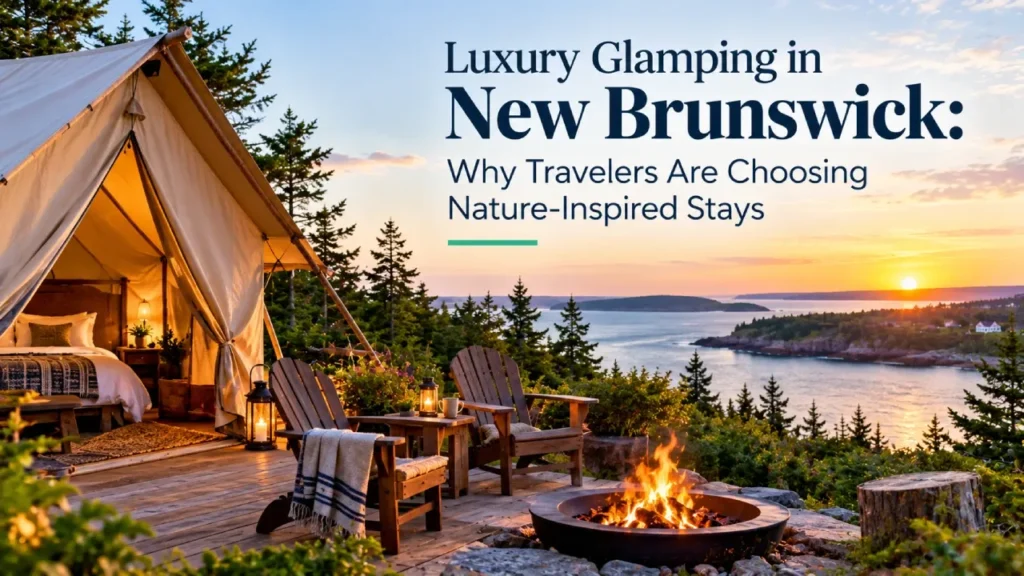
This could include boutique hotels, cabins, luxury glamping, wellness retreats, resorts or other distinctive forms of lodging.
For travelers, this creates more choices based on the type of experience they want.
A couple might prefer a quiet wellness retreat. A family could choose a destination with recreation and outdoor activities. Adventure travelers might prioritize hiking, cycling or water-based experiences.
The destination can therefore serve different audiences without relying on a single tourism product.
The Role of Wellness in Future Destinations
Wellness has become an increasingly important part of travel.
Visitors often use short trips as opportunities to rest, disconnect from work and spend time in natural surroundings.
A destination can respond to this demand through:
- Wellness retreats
- Spa services
- Fitness facilities
- Yoga and mindfulness
- Nature walks
- Healthy dining
- Quiet outdoor spaces
- Relaxation areas
- Wellness-focused accommodations
New Brunswick’s current tourism strategy identifies wellness as one of the areas that can help strengthen the province’s visitor offering.
For destination developers, wellness can also complement other tourism products.
A visitor may come for outdoor recreation but extend their stay because the destination also provides opportunities to relax and recharge.
Year-Round Destination Development
Seasonality is one of the biggest considerations in tourism.
A destination that depends heavily on one season can face challenges during the rest of the year. New Brunswick’s current tourism strategy therefore places significant emphasis on developing opportunities across the full calendar.
Future developments can address this by creating seasonal reasons to visit.
Spring
Spring can support hiking, nature exploration, wellness retreats and outdoor events.
Summer
Summer can focus on outdoor recreation, family travel, festivals, camping, water activities and longer vacations.
Fall
Fall can attract visitors through scenic landscapes, cultural events, food experiences and nature-based getaways.
Winter
Winter can support cozy accommodations, wellness retreats and activities such as snowmobiling and other cold-weather recreation.
The objective is not necessarily to offer exactly the same experience in every season. Instead, each season can have its own identity and reasons to visit.
Connecting Tourism With Local Economic Development
Modern destination development can also benefit communities beyond the tourism property itself.
Visitors spend money on accommodation, restaurants, attractions, transportation, retail and local experiences.
This creates opportunities for businesses throughout a region.
New Brunswick’s tourism strategy explicitly calls for tourism to be embedded in economic development and identifies tourism as an important part of the province’s wider economic infrastructure.
A successful destination can therefore function as part of a broader regional tourism ecosystem.
Local restaurants, retailers, activity providers, cultural organizations and other businesses can potentially benefit from increased visitor activity.
Nature and Responsible Destination Development
Nature is one of New Brunswick’s greatest tourism assets, but protecting that environment is essential to long-term destination development.
The province’s current strategy places a strong emphasis on a regenerative tourism mindset, with the goal of ensuring tourism growth creates benefits for communities, cultures and ecosystems.
This means future developments need to think carefully about how tourism interacts with the environment.
Responsible destination planning can include:
- Protecting natural landscapes
- Managing visitor capacity
- Preserving green spaces
- Reducing environmental impact
- Supporting local communities
- Protecting cultural heritage
- Designing sustainable infrastructure
The long-term success of nature-based tourism depends on maintaining the qualities that attract visitors in the first place.
Destination Development and the Atlantic Ambika Group Vision
The broader concept of destination development is particularly relevant to the vision presented by Atlantic Ambika Group.
The company’s Destination Vision presents a broader approach to creating a destination experience rather than focusing on a single tourism component.
Its vision brings together elements associated with hospitality, recreation, wellness, retail, commercial activity and nature-based experiences.
This type of integrated planning can give visitors multiple reasons to visit and create opportunities for longer stays.
The Atlantic Ambika Group website provides additional information about the overall destination concept and development vision.
For a destination project, integration can be important because individual components can support one another.
A guest staying at a hospitality property may visit a restaurant. That same guest may participate in recreation, visit retail businesses or use wellness facilities.
Each component contributes to the wider destination experience.
The Importance of Accessibility and Connectivity
A destination can offer outstanding experiences, but visitors still need to be able to reach it conveniently.
Transportation and connectivity therefore play an important role in destination development.
This includes considering:
- Road access
- Regional transportation
- Parking
- Wayfinding
- Pedestrian connections
- Accessibility
- Connections to nearby attractions
New Brunswick’s current tourism strategy recognizes transportation as part of the wider infrastructure required to support tourism and regional development.
Good connectivity can make it easier for visitors to explore both the destination itself and the surrounding region.
Events Can Create New Reasons to Visit
Events are another important part of destination development.
Festivals, cultural gatherings, sporting events and business events can bring visitors during periods when tourism demand might otherwise be lower.
New Brunswick’s current tourism strategy specifically identifies event tourism as a tool for supporting year-round growth.
A destination could therefore use events to create a changing calendar of reasons to visit.
Examples might include:
- Seasonal festivals
- Food events
- Outdoor competitions
- Wellness weekends
- Cultural celebrations
- Music events
- Family activities
- Business gatherings
Events can also encourage repeat visitation because the experience changes throughout the year.
What Travelers Can Expect From Future New Brunswick Destinations
As destination development continues to evolve, visitors can expect more integrated experiences.
Instead of choosing between a hotel and an attraction, travelers may increasingly choose destinations where accommodation, recreation, wellness, dining and entertainment are connected.
This could lead to destinations where visitors can spend several days without needing to travel long distances between activities.
The result is a more convenient and immersive travel experience.
For New Brunswick, this approach also supports the province’s broader goal of strengthening year-round tourism and attracting visitors from priority markets, including Quebec, Ontario and the United States.
The Future of New Brunswick Tourism Development
The future of New Brunswick tourism development is likely to be shaped by several connected trends:
- Year-round tourism rather than dependence on one peak season.
- Nature-based experiences that connect visitors with the province’s landscapes.
- Wellness tourism focused on relaxation and healthy experiences.
- Unique accommodations that make the stay part of the attraction.
- Integrated destinations combining hospitality, recreation, retail and dining.
- Responsible development that protects natural and cultural assets.
- Events and experiences that create additional reasons to visit.
- Regional collaboration that spreads tourism benefits across communities.
These trends align closely with the direction outlined in New Brunswick’s 2026–2031 tourism strategy.
Final Thoughts
Destination development is changing from the creation of individual tourism properties to the development of complete visitor ecosystems.
New Brunswick has an opportunity to build on its natural environment, outdoor recreation, cultural identity and growing hospitality sector to create destinations that appeal to modern travelers.
The strongest future destinations are likely to be those that combine hospitality, nature, wellness, recreation, dining, retail and events while remaining connected to the communities and environments around them.
The vision behind projects such as Atlantic Ambika Group demonstrates how these elements can be considered together as part of a broader destination concept.
As New Brunswick works toward its tourism goals for 2031, destination development will play an important role in determining how the province attracts visitors, encourages longer stays and creates lasting economic value.
Explore Atlantic Ambika Group’s Destination Vision
Learn more about the proposed approach to integrated destination development through the Destination Vision page.
For industry-level information, explore New Brunswick’s Tourism Strategy 2026–2031 and the province’s Tourism Experience Development Program.